Understanding Modern Grimoires
Grimoires have evolved significantly since their ancient and medieval origins, adapting to contemporary contexts and incorporating modern philosophies and practices. Today, modern grimoires continue to serve as comprehensive guides for those practicing magic and exploring the occult. These texts blend traditional magical knowledge with new insights, making them relevant for today’s practitioners.
Characteristics of Modern Grimoires
Modern grimoires often feature:
- Blended Traditions: They incorporate a mix of ancient wisdom, folklore, and modern practices.
- Practical Instructions: Detailed instructions for rituals, spells, and magical workings are provided, often with a focus on practical application.
- Personal Growth: Many modern grimoires emphasize personal development, self-discovery, and spiritual growth.
- Inclusivity: Contemporary texts are often more inclusive, embracing diverse cultural traditions and perspectives.
Notable Modern Grimoires
Several contemporary grimoires have gained popularity and are widely used in modern magical practices. Here are some notable examples:
1. “Modern Magick” by Donald Michael Kraig
- Overview: First published in 1988, “Modern Magick” is a comprehensive guide to ceremonial magic. It covers a wide range of topics, including the basics of magic, rituals, and advanced practices.
- Content: The book includes step-by-step instructions, practical exercises, and a thorough exploration of the theories behind magic. It is designed for both beginners and experienced practitioners.
2. “The Black Arts” by Richard Cavendish
- Overview: Published in 1967, this book delves into various aspects of the occult, including demonology, alchemy, and necromancy.
- Content: “The Black Arts” provides historical context and practical information on different magical traditions, making it a valuable resource for those interested in the darker aspects of magic.
3. “The Encyclopedia of 5,000 Spells” by Judika Illes
- Overview: This extensive compendium, first published in 2004, contains a vast array of spells and magical practices from various traditions.
- Content: The book includes spells for love, protection, prosperity, and more. It is a practical guide for anyone looking to incorporate magic into their daily life.
4. “Advanced Witchcraft” by Edain McCoy
- Overview: Published in 2004, “Advanced Witchcraft” is geared toward experienced witches looking to deepen their practice.
- Content: The book covers advanced techniques, including working with deities, advanced spellcraft, and developing psychic abilities.
5. “The Witches’ Book of Shadows” by Phyllis Curott
- Overview: This book, published in 2001, offers a modern take on creating and using a Book of Shadows, a personal grimoire used in Wicca and witchcraft.
- Content: It includes rituals, spells, and personal reflections, encouraging practitioners to create their own unique magical records.
The Role of Technology
Modern technology has also influenced the creation and dissemination of grimoires:
Digital Grimoires
- E-books and PDFs: Many modern grimoires are available as e-books or PDFs, making them easily accessible to a global audience.
- Apps and Software: Various apps and software programs are designed to help practitioners create and organize their own digital grimoires.
Online Communities
- Forums and Social Media: Online platforms provide spaces for practitioners to share their grimoires, discuss magical practices, and collaborate on new spells and rituals.
- Blogs and Websites: Many modern witches and magicians maintain blogs and websites where they share their grimoires and offer guidance to others.
Creating Your Own Grimoire

Modern practitioners are encouraged to create their own grimoires, personalized to their unique practices and experiences. Here are some tips for creating your own grimoire:
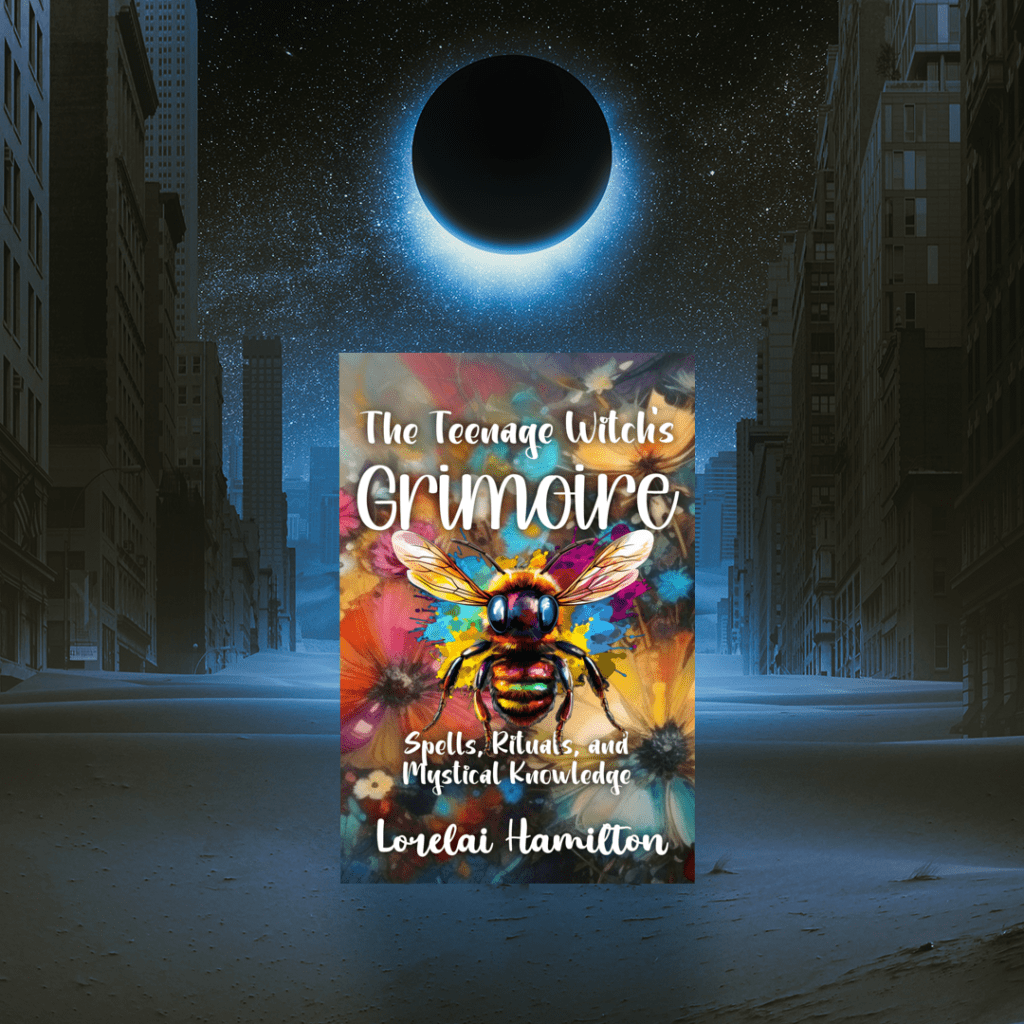
- Choose Your Medium: Decide whether you prefer a physical book, a digital document, or a combination of both.
- Organize Your Content: Create sections for different types of content, such as spells, rituals, correspondences, and personal reflections.
- Include Personal Experiences: Document your personal experiences, insights, and results from your magical practices.
- Regular Updates: Keep your grimoire updated with new information and practices as you continue to learn and grow.
Conclusion
Modern grimoires continue the tradition of magical texts, offering a blend of ancient wisdom and contemporary practices. They serve as valuable resources for personal growth, spiritual exploration, and practical magic. Whether using well-known modern grimoires or creating your own, these books of magic remain essential tools for today’s practitioners.
References
- Kraig, D.M. (1988). Modern Magick: Eleven Lessons in the High Magickal Arts. Llewellyn Publications.
- Cavendish, R. (1967). The Black Arts. Perigee Books.
- Illes, J. (2004). The Encyclopedia of 5,000 Spells. HarperOne.
- McCoy, E. (2004). Advanced Witchcraft: Go Deeper, Reach Further, Fly Higher. Llewellyn Publications.
- Curott, P. (2001). The Witches’ Book of Shadows. Broadway Books.
 LivingColorTarot